

PV solar power plants are the key to our renewable future, and regular inspections are essential to ensure performance and longevity. Enter thermal imaging drones: a game changer in solar O&M.
These drones detect problems such as faulty cells, dirt, shading and hotspots that are invisible to the naked eye, enabling early problem resolution, reducing downtime and increasing energy output.
Find out how how Volateq Solarinspektor, as a cutting-edge technology, is transforming aerial thermography for solar installations, streamlining inspections and shaping the future of PV maintenance.
The Rise of Thermal Imaging Drones in Solar Farm Inspections
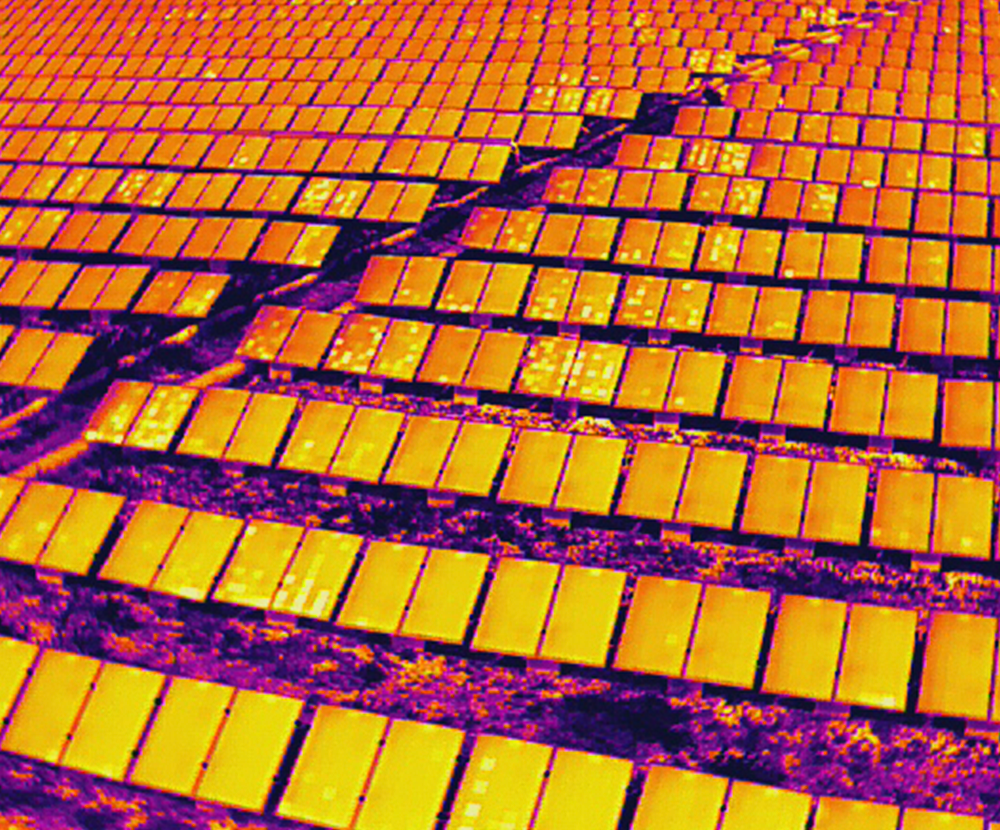
Thermal imaging drones are fast becoming an indispensable tool in the inspection of solar power plants. Their adoption is being driven by their ability to efficiently monitor large solar arrays.
Unlike traditional methods, these drones can quickly cover large areas without disrupting operations. Such inspection tasks are sometimes referred to as “dumb, dirty or dangerous”, and drones are almost always better at them.
Here’s a quick comparison of thermal imaging drones and traditional inspection methods:
 Efficiency: Drones inspect large areas faster than manual checks.
 Safety: Drone inspections reduce human exposure to dumb, dirty or dangerous tasks.
 Accuracy: Thermal cameras detect minute temperature variations, revealing hidden faults.
 Cost: Over time, drone inspections prove cheaper by cutting down labor and downtime costs.
The shift towards drone inspection services reflects a growing industry-wide trend. As technology advances, the role of drones in maintaining solar infrastructure will continue to expand.
Understanding Thermal Imaging Technology
Thermal imaging technology detects temperature anomalies invisible to the naked eye. These anomalies are represented as color gradients, highlighting potential issues.
Thermal cameras are the core components of this technology. They capture infrared radiation emitted by objects, converting it into thermal images. By identifying heat anomalies, these cameras pinpoint faulty solar cells, shading, or overheating issues.
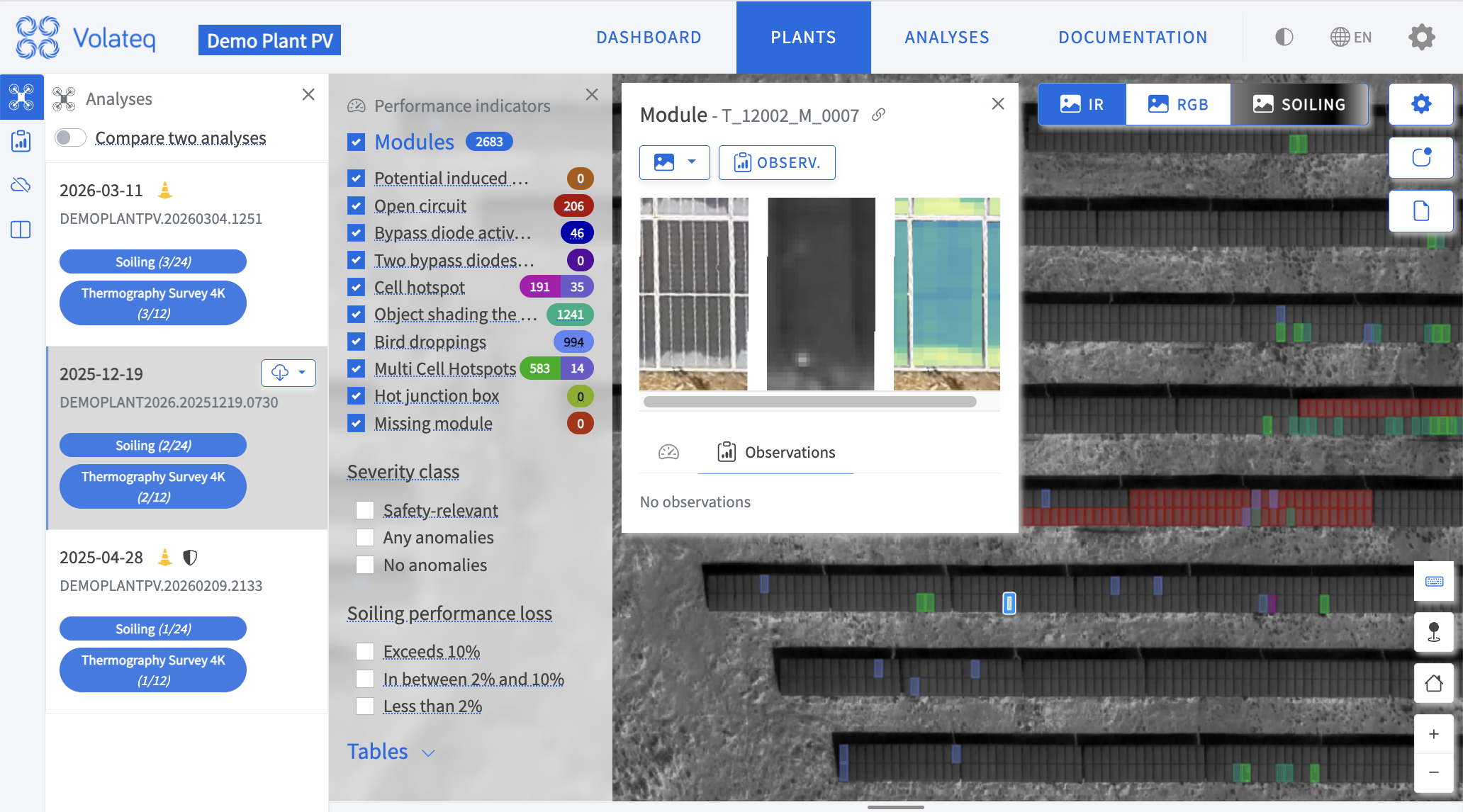
In solar inspections, thermal imaging offers unique insights. It not only spots problematic areas but also helps predict future maintenance.
Regular thermal scans can reveal gradual performance declines, enabling timely interventions. This technology ensures solar farm operators can maintain and even enhance energy output. By providing early warnings, it minimizes repair costs and prevents potential failures. Thus, thermal imaging has become essential in maintaining solar farm efficiency and reliability.
Key Advantages of Drone Thermal Inspection for Solar Farms
Efficiency and coverage are significant benefits of drone thermal inspections. Drones can quickly scan vast areas, identifying issues promptly. This capability outperforms manual methods, which are slower and less comprehensive.
Safety and accessibility also improve with drone usage. Inspecting solar panels manually can be dangerous and requires working at heights. Drones eliminate these risks, allowing technicians to remain safely on the ground.
The cost-effectiveness and savings of using drones are notable . Regular inspections are essential for solar farms to function optimally. Traditional methods can be labor-intensive and costly, whereas drones reduce both time and expenses.
Data accuracy and predictive maintenance are enhanced through drones. The precision of thermal imaging allows for detailed data collection. This information supports accurate analysis, helping anticipate maintenance needs before problems escalate.
Operational Workflow: Conducting a Drone Thermal Inspection
Conducting a thorough drone thermal inspection involves several crucial steps.
Pre-flight planning is the first phase and sets the stage for successful operations. During this stage, inspection objectives are outlined, weather conditions assessed, and flight paths meticulously planned.
Safety checks are integral before any drone takeoff. These include verifying the operational condition of the drone and ensuring battery levels are adequate. Checking for potential obstructions in the area also ensures a seamless flight.
Flight execution is where the drone captures thermal data. The drone pilot navigates the pre-determined route, ensuring comprehensive coverage of the solar farm. Drones must fly at consistent altitudes and speeds to collect precise and reliable data.
Post-flight, the focus shifts to data analysis and reporting. The thermal images captured by the drone are carefully reviewed to identify anomalies and issues. Comprehensive reports are then generated, highlighting potential problems and recommending maintenance actions.
This structured approach ensures that drone thermal inspections are conducted efficiently and provide valuable insights. It enables solar farm operators to maintain high performance and address issues promptly.
Challenges and Considerations in Aerial Thermography
One of the primary challenges of aerial thermography is adhering to regulatory compliance.
Drone pilots must have specialized training and certification. Regulations ensure that operations are safe and do not infringe on airspace regulations. Understanding and following local drone laws is crucial for smooth and authorized inspections.
Environmental factors can also influence the success of drone inspections. Weather conditions such as wind, rain, or fog can affect drone performance and data quality. Optimal lighting conditions are essential for acquiring accurate thermal images. Pilots must carefully assess these factors before scheduling inspections.
Data privacy and security represent another significant consideration. Thermal drones collect vast amounts of sensitive data during inspections. Ensuring that this data is securely stored and managed is paramount. Operators must implement robust data protection measures to safeguard against unauthorized access.
Successfully navigating these challenges is key to leveraging drones effectively in solar inspections. Addressing these considerations ensures the reliability and integrity of the inspection process.
The Future of Drone Inspections in the Renewable Energy Sector
As technology advances, drone inspection in the renewable energy sector is rapidly changing. Two key trends are driving this evolution: AI integration and drone-in-a-box (DiaB) systems.
AI integration: The integration of artificial intelligence (AI) and machine learning with thermal imaging drones is revolutionising solar inspections. AI enables advanced pattern recognition to deliver the best possible results, even in changing environmental conditions.
Drone-in-a-Box systems: DiaB systems provide scalable, automated inspection solutions for expanding solar farms. While technically feasible and capable of rapidly covering large areas, regulatory challenges remain a significant barrier to widespread adoption.
Both innovation trends increase inspection efficiency while supporting sustainability goals. By optimising the performance of solar farms, they reduce the carbon footprint of energy production and minimise waste.
This makes drones essential for ensuring that renewable energy systems operate at peak efficiency, in line with the global transition to cleaner energy sources.
Conclusion: Embracing Innovation for Solar Farm Efficiency
Thermal imaging drones have become invaluable for inspecting solar farms. Their ability to quickly identify issues and enhance solar panel efficiency is unmatched.
They offer a safer, more cost-effective inspection method, ensuring that solar farms maintain optimal performance.
Adopting drone inspections is crucial for staying ahead in the solar industry. As technology continues to evolve, integrating drones in solar farm management will lead to improved sustainability and energy output.
By embracing these innovations, the solar industry can enhance operational efficiency and contribute to a greener future.
Frequently Asked Questions
By clicking here you can find all the Frequently Asked Questions.
Thanks for reading.