
In today’s world, solar energy is more important than ever. Climate change and the increasing demand for sustainable energy sources have propelled solar power to the forefront of energy solutions. As solar plants spread across the globe, the need for efficient management of these assets becomes crucial.
Managing solar assets effectively ensures that these installations provide not only environmental benefits but also significant financial returns. Solar asset management is all about ensuring that solar installations run smoothly, perform optimally, and provide maximum returns on investment.
In this article, we will explore how solar asset management can be maximized using modern technology, focusing on solar plant drone inspection and solar inspection software.
Understanding Solar Asset Management
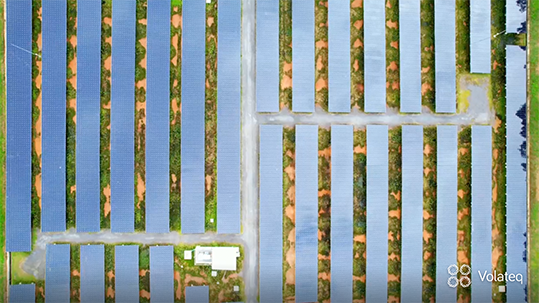
Solar asset management involves monitoring and maintaining solar power plants to ensure they operate efficiently. It encompasses a wide range of activities, including performance analysis, maintenance scheduling, financial management, and risk assessment.
The goal is to optimize the productivity of solar installations while minimizing costs and risks. With the right tools and strategies, solar asset management can enhance the productivity and longevity of solar installations.
A well-managed solar asset not only generates more energy but also extends the lifespan of the equipment, ensuring a better return on investment for stakeholders.
The Role of Technology in Solar Asset Management
Technology plays a pivotal role in modern solar asset management. It provides the tools needed to streamline operations, improve accuracy, and reduce costs.
From drones to software, these tools make it easier to monitor and maintain solar plants effectively. Advanced technology allows operators to collect and analyze vast amounts of data, providing insights that were previously unattainable.
This data-driven approach enables more precise decision-making and proactive maintenance strategies, leading to improved operational efficiency and reliability.
The Rise of Drone Inspections
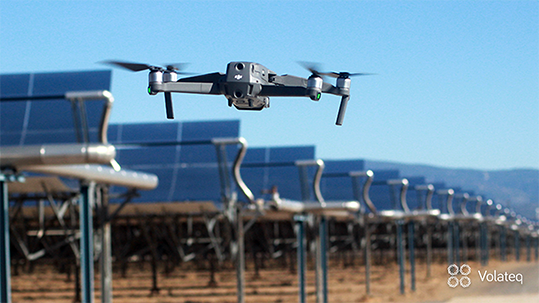
Drone inspections have revolutionized the way solar plants are maintained. By using drones, operators can quickly and safely inspect large areas of solar panels without the need for manual labor, what save time and improve accuracy.
Drones equipped with high-resolution cameras and sensors can capture detailed images and data, providing a comprehensive view of the solar installation.
This technology enables operators to detect issues such as dirt accumulation, shading, and panel misalignment, which can impact performance. Furthermore, drones can access difficult-to-reach areas, ensuring no part of the solar plant is overlooked.
Benefits of Drone Solar Inspection
- Increased Inspection Efficiency: Drones can cover large areas quickly, making inspections much faster compared to traditional methods. This allows for more frequent inspections, which can lead to early detection of potential issues, which is especially important for warranty claims.
- Improved Safety: Inspecting solar panels manually can be risky, especially in large installations. Drones eliminate the need for workers to physically access hard-to-reach areas. This reduces the risk of accidents and injuries, ensuring a safer working environment for inspection teams.
- Enhanced Accuracy: Equipped with high-resolution cameras and thermal imaging, drones can detect issues that might be missed by the human eye, such as micro-cracks or hot spots. This precision ensures that maintenance efforts are targeted and effective, preventing minor issues from escalating into major problems.
- Cost-Effectiveness: Although drones require an initial investment, they can significantly reduce long-term maintenance costs by identifying issues early. By preventing costly repairs and downtime, drones contribute to a more economical asset management strategy.
UAV Solar Inspection: a Closer Look
Unmanned Aerial Vehicles (UAVs) used for solar inspections offer a range of capabilities. They can be programmed to follow specific flight paths, ensuring comprehensive coverage of solar arrays.
This programmability allows for consistent and repeatable inspections, providing reliable data over time. Moreover, UAVs can capture data in various formats, allowing for detailed analysis and reporting.
This data can be integrated into asset management systems, providing a holistic view of the solar plant’s performance and condition. UAV technology continues to evolve, with advances such as autonomous navigation and real-time data transmission further enhancing their effectiveness.
Leveraging Solar Inspection Software
Solar inspection software is another powerful tool in the asset management toolkit. This software helps operators analyze data collected from inspections, plan maintenance, and optimize performance.
By automating data analysis and reporting, the Volateq’s software reduces the time and effort required for asset management tasks. This allows operators to focus on strategic decision-making and performance optimization, rather than being bogged down by manual data processing.
Key Features of Solar Inspection Software
 Data Analysis: The software processes data from drone inspections, highlighting anomalies and generating actionable insights. These insights enable operators to prioritize maintenance activities and allocate resources effectively.
 Maintenance Scheduling: By predicting when and where issues might occur, the software aids in proactive maintenance planning. This predictive capability reduces the likelihood of unexpected failures and downtime, ensuring continuous energy production.
 Performance Monitoring: Continuous monitoring of solar installations ensures they operate at peak efficiency, maximizing energy output. The software tracks key performance indicators, alerting operators to deviations from expected performance levels.
 Reporting and Documentation: Solar inspection software generates detailed reports, making it easier for stakeholders to understand the condition and performance of solar assets. These reports provide transparency and accountability, facilitating communication between asset managers, investors, and regulatory bodies.
How Software Enhances Solar Asset Management
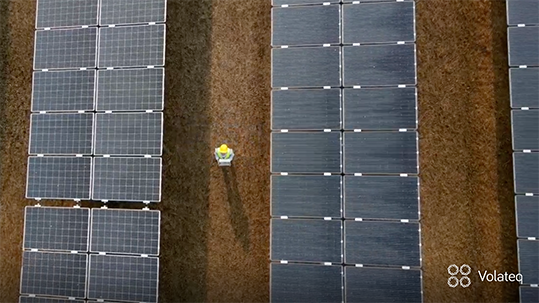
By integrating solar inspection software with drone technology, operators can create a comprehensive asset management system. This integration allows for real-time data collection, analysis, and reporting, streamlining the entire management process.
The seamless flow of information between drones and software ensures that data is accurate and up to date, enabling quick responses to emerging issues.
This synergy between hardware and software is crucial for maintaining high levels of efficiency and reliability in solar energy production.
Best Practices for Solar Asset Management
To maximize efficiency, solar asset managers should adopt the following best practices:
Regular Inspections
Consistent inspections help identify issues before they become major problems. Using drones for regular inspections ensures thorough and efficient coverage of solar installations. Regular inspections also provide a baseline for performance, allowing operators to track changes over time and adjust strategies accordingly. By maintaining a consistent inspection schedule, asset managers can ensure that their solar installations remain in peak condition.
Data-Driven Decision Making
Leverage the data collected from inspections and software analysis to make informed decisions about maintenance and performance optimization. Data-driven decision-making minimizes guesswork, leading to more effective and efficient asset management strategies. By analyzing trends and patterns in the data, operators can identify opportunities for improvement and implement changes that enhance performance and reduce costs.
Proactive Maintenance
Rather than waiting for issues to arise, proactive maintenance can prevent downtime and extend the life of solar assets. This approach involves scheduling maintenance based on data insights and predictions. Proactive maintenance reduces the risk of unexpected failures and ensures that solar installations continue to operate efficiently. By addressing potential issues before they become critical, asset managers can maintain high levels of reliability and productivity.
Continuous Training and Development
Ensure that staff are trained in the latest technologies and methodologies for solar asset management. This training enables them to utilize tools like drones and software effectively. Continuous training and development ensure that asset management teams remain up-to-date with industry advancements, allowing them to implement best practices and maintain a competitive edge. Investing in staff development also enhances job satisfaction and retention, contributing to a more effective and cohesive team.
Conclusion
Maximizing efficiency with solar asset management is essential for the success of solar energy projects.
By embracing modern technologies such as drone inspections and solar inspection software like Volateq’s, operators can ensure that solar installations are effectively maintained and perform optimally.
These tools not only improve efficiency and accuracy but also contribute to the overall sustainability and profitability of solar energy.
By staying informed about the latest advancements and best practices, solar asset managers can lead the way in creating a more sustainable future powered by clean energy.
Through continuous innovation and adaptation, the solar industry can continue to grow and thrive, providing a cleaner and more sustainable energy source for generations to come.
Volateq makes it possible for Solar Power Plants – PV as well as CSP – to realize autonomous and flexible condition monitoring of solar fields, which at the same time is far cheaper and quicker than the state-of-the-art.
Our product is an easy-to-use Web App-based software for automated solar plant inspection and soiling detection.
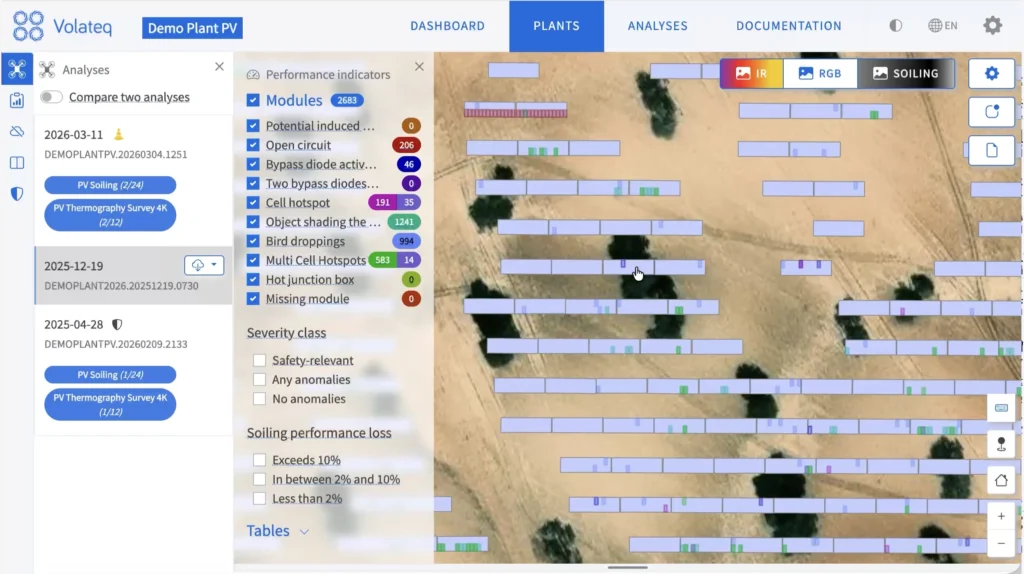
We partner up with portfolio owners and asset managers to detect and correct anomalies that affect energy production.
Frequently Asked Questions
By clicking here you can find all the Frequently Asked Questions.
Thanks for reading.